 4.7
4.7Refractor Telescope
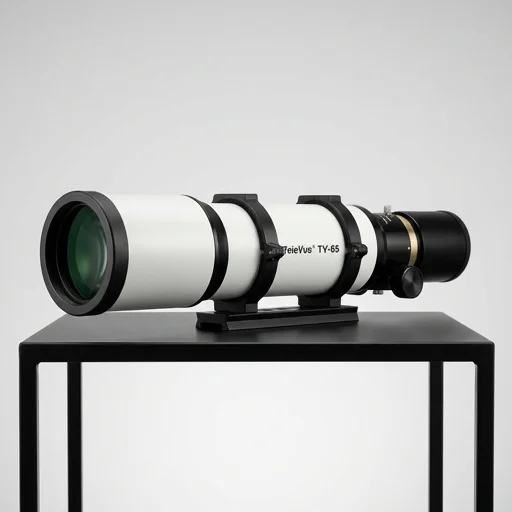
TeleVue TV-85 Apochromatic Refractor
- Razor-sharp APO optics
- Ultra-portable design
- Virtually zero chromatic aberration
Read review
 Nebula Porch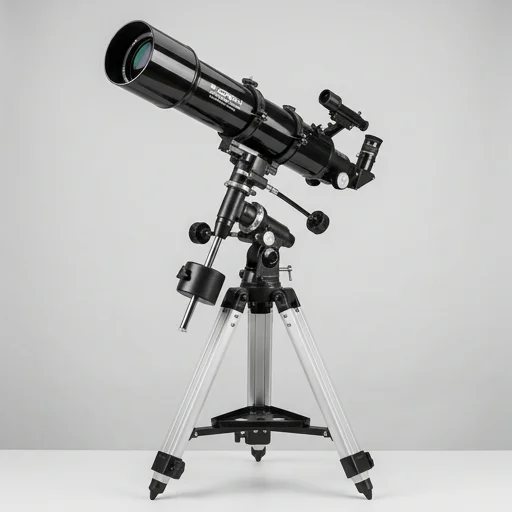
Orion
★★★★☆ 4.3/5
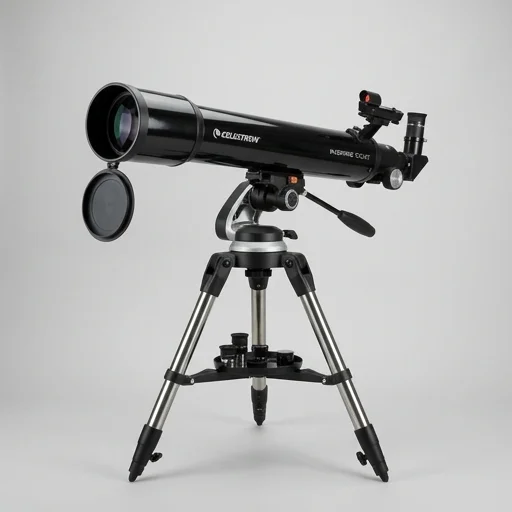
The Orion AstroView 90mm is a solid entry-level to intermediate refractor that delivers crisp lunar and planetary views along with pleasing wide-field looks at star clusters and brighter deep-sky objects.
As an Amazon Associate we earn from qualifying purchases. Price and availability are checked at the retailer.
Verdict
The Orion AstroView 90mm is a solid entry-level to intermediate refractor that delivers crisp lunar and planetary views along with pleasing wide-field looks at star clusters and brighter deep-sky objects. Its equatorial mount, while basic, offers a genuine introduction to tracking the night sky, making this telescope a well-rounded choice for hobbyists stepping up from a beginner scope or looking for a dependable grab-and-go instrument.
Full review
The Orion AstroView 90mm is a refractor telescope designed for amateur astronomers who want crisp, high-contrast views of the Moon, planets, and brighter deep-sky objects without the complexity of more advanced optical systems. Built around a 90mm aperture achromatic objective lens with a focal length of 910mm, this instrument delivers a focal ratio of f/10.1, a sweet spot that balances sharp planetary detail with reasonably wide fields for star clusters and lunar panoramas. The fully multi-coated glass optics reduce glare and improve light transmission, so users can expect noticeably clearer images of Saturn's rings, Jupiter's cloud bands and moons, and the cratered terrain of the Moon compared to uncoated or budget lenses. The telescope tube is paired with a rack-and-pinion focuser that allows smooth, precise adjustments, a feature that matters greatly when chasing sharp focus on distant planetary disks or double stars.
Mounted on an equatorial EQ-2 mount, the AstroView 90mm gives users the ability to track celestial objects manually as they drift across the sky due to Earth's rotation, a helpful feature for anyone stepping up from a basic altazimuth setup. The mount includes slow-motion control cables for both right ascension and declination, letting observers nudge the scope gently to keep a planet or star cluster centered during extended viewing sessions or casual astrophotography attempts. The included tripod is adjustable in height and constructed to provide stability outdoors, reducing vibration that could otherwise blur views at higher magnifications. Orion bundles the telescope with two Sirius Plössl eyepieces, a 25mm and a 10mm, giving immediate access to both wide-field and higher-power viewing right out of the box, along with a 6x30 finder scope to help locate targets before switching to the main optical tube.
Beyond the core optical tube and mount, the Orion AstroView 90mm ships with a features that make it approachable for beginners and useful for more experienced hobbyists exploring a grab-and-go refractor. Its lightweight aluminum tripod and manageable overall weight make it easy to transport to dark-sky sites away from urban light pollution, where its optics truly shine on fainter targets like globular clusters and binary stars. The included accessory tray keeps eyepieces and small tools organized during a session, while the telescope's compatibility with additional Orion eyepieces, filters, and a Barlow lens allows for gradual expansion of the system as an astronomer's skills and interests grow. Overall, this refractor is positioned as a dependable, optically sound instrument for visual lunar and planetary observation, with enough versatility to introduce newcomers to broader deep-sky exploration.
The trade-off
6 strengths · 5 compromises
Nearby
Closest matches in Telescopes by aperture and score.
4.7Refractor Telescope
 4.6
4.6Refractor Telescope
 4.5
4.5Refractor Telescope
 4.3
4.3Telescope