 4.5
4.5Telescope
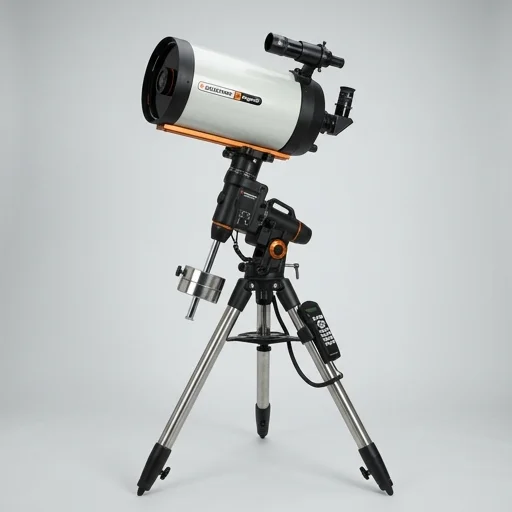
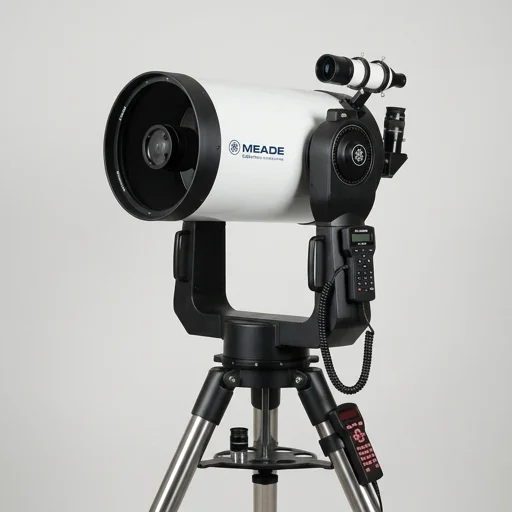
Celestron Advanced VX 8 EdgeHD
- Flat-field EdgeHD optics
- Precise GoTo tracking
- Astrophotography ready
Read review
 Nebula Porch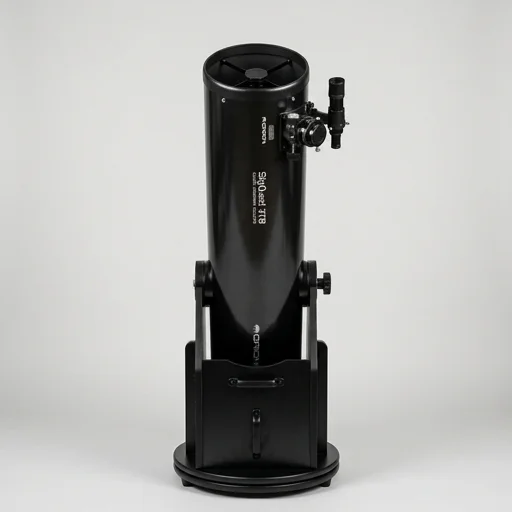
Orion
★★★★★ 4.6/5
The Orion SkyQuest XT8 remains one of the best value Dobsonian telescopes for both beginner and intermediate astronomers.
As an Amazon Associate we earn from qualifying purchases. Price and availability are checked at the retailer.
Verdict
The Orion SkyQuest XT8 remains one of the best value Dobsonian telescopes for both beginner and intermediate astronomers. Its generous 8-inch aperture delivers impressively detailed views of planets, star clusters, nebulae, and galaxies, while the simple Dobsonian mount makes it easy to use right out of the box. It does require manual tracking and occasional collimation, and its size demands dedicated storage space, but the tradeoff in image quality and value is well worth it for serious hobbyists.
Full review
The Orion SkyQuest XT8 is a classic Dobsonian reflector telescope designed for amateur astronomers who want serious aperture without the complexity or expense of a computerized mount. At its heart is an 8-inch (203mm) parabolic primary mirror with a focal length of 1200mm, delivering a fast f/5.9 focal ratio that gathers ample light for viewing faint deep-sky objects like galaxies, nebulae, and star clusters, while still providing crisp, detailed views of the Moon and planets. The mirror is coated with a reflective aluminum finish for optimal light transmission, and the optical tube is paired with a 2-inch Crayford-style focuser that accepts both 2-inch and 1.25-inch eyepieces, giving observers flexibility in their eyepiece selection for varying magnifications and fields of view.
What sets the SkyQuest XT8 apart is its simple, sturdy Dobsonian base, a design praised for decades in the amateur astronomy community for its intuitive point-and-view operation. The altazimuth mount moves smoothly on Teflon bearings, allowing users to nudge the tube by hand to track objects across the sky without fumbling with slow-motion controls or software. This manual simplicity makes the telescope especially appealing to beginners who want to spend more time observing and less time learning complicated electronics, while still offering enough optical performance to satisfy more experienced stargazers who appreciate a no-fuss, grab-and-go setup for backyard sessions or dark-sky trips.
The package includes two Sirius Plossl eyepieces (25mm and 10mm), a 2-inch Crayford focuser, and an EZ Finder II reflex sight to help users locate objects quickly without a complicated finderscope. The whole system is designed to assemble in minutes, with the optical tube resting securely in the rocker box base, making transport and setup straightforward for both home use and remote observing locations. With its large aperture, solid mechanical design, and accessible price point relative to its light-gathering power, the Orion SkyQuest XT8 has become a staple recommendation for those entering visual deep-sky astronomy, offering a compelling balance of performance, simplicity, and value that continues to make it a favorite among telescope enthusiasts.
The trade-off
6 strengths · 5 compromises
Nearby
Closest matches in Telescopes by aperture and score.
4.5Telescope
 4.5
4.5Telescope
 4.5
4.5Telescope
 4.3
4.3Telescope