 4.6
4.6Smart Telescope
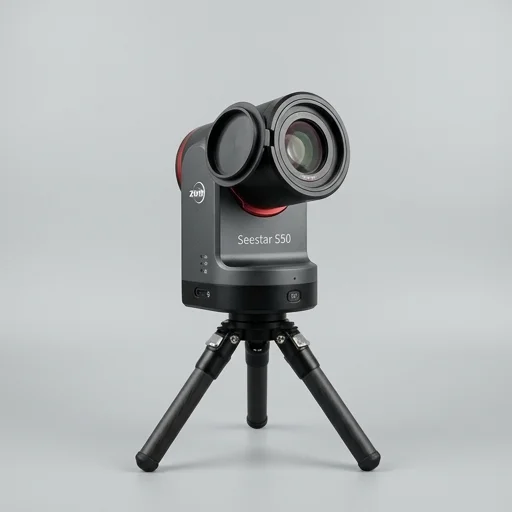
ZWO Seestar S50 Smart Telescope
- Fully automated stargazing
- Beginner-friendly astrophotography
- Portable all-in-one design
Read review
 Nebula Porch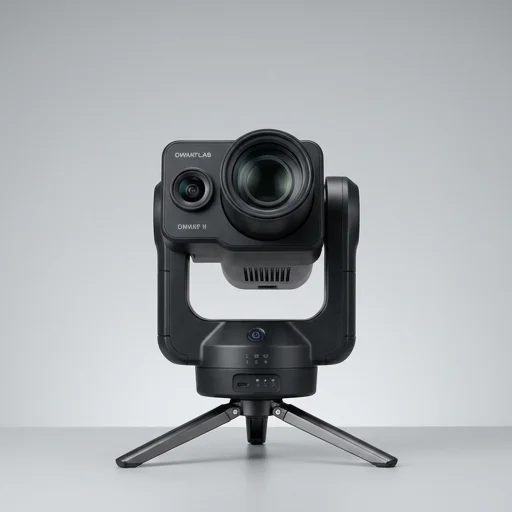
Dwarflab
★★★★☆ 4.4/5
The Dwarflab Dwarf II is a fantastic entry point into smart astrophotography, combining portability, ease of use, and solid image quality into a compact package.
As an Amazon Associate we earn from qualifying purchases. Price and availability are checked at the retailer.
Verdict
The Dwarflab Dwarf II is a fantastic entry point into smart astrophotography, combining portability, ease of use, and solid image quality into a compact package. While it won't rival high-end observatory-grade telescopes for deep-sky detail, it's a superb tool for hobbyists, travelers, and anyone wanting to explore the night sky without complex setup or heavy gear.
Full review
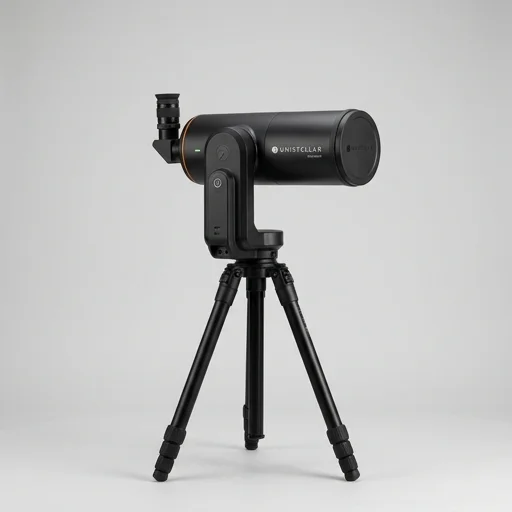
The Dwarf II from DwarfLab is a compact, palm-sized smart telescope that has quickly become a favorite among astronomy enthusiasts who want a portable, all-in-one solution for both astrophotography and terrestrial observation. Weighing in at roughly 1.3 pounds and small enough to fit in a jacket pocket, the Dwarf II packs a dual-lens optical system: a telephoto lens with a 35mm focal length equivalent to 150mm for deep-sky and lunar viewing, paired with a wide-angle lens for landscape and daytime use. Its Sony IMX415 sensor captures surprisingly detailed images of celestial objects, from the craters of the moon to the rings of Saturn and even faint nebulae, all while the built-in equatorial tracking mode compensates for star trailing during longer exposures.
What sets the Dwarf II apart from bulkier traditional telescopes is its emphasis on accessibility and automation. The device connects wirelessly to a smartphone app, where users can select celestial targets from a built-in catalog, and the telescope will automatically slew, focus, and begin capturing images without requiring any manual calibration or polar alignment. This makes it an excellent entry point for beginners who might otherwise be intimidated by the technical demands of conventional astrophotography rigs. The app also offers stacking and image-enhancement features that combine multiple exposures in real time, gradually revealing more detail in faint deep-sky objects like galaxies and nebulae as the session progresses, so users can watch an image sharpen and brighten directly on their screen.
Battery life and build quality further reinforce the Dwarf II's appeal as a grab-and-go instrument. A single charge typically provides several hours of continuous operation, and the telescope includes a built-in filter wheel that allows switching to a dual-band or solar filter for specialized observing, such as capturing emission nebulae or safely viewing solar activity and eclipses. The compact tripod and lightweight housing mean the whole kit can be set up in under a minute, making it well-suited for spontaneous stargazing sessions, travel, or urban environments where light pollution might otherwise limit what can be seen with the naked eye. For hobbyists seeking a low-friction way to explore astrophotography without investing in heavy equipment or steep technical learning curves, the Dwarf II offers a compelling blend of portability, smart automation, and respectable optical performance.
The trade-off
6 strengths · 5 compromises
Nearby
Closest matches in Smart telescopes by aperture and score.
4.6Smart Telescope
 4.2
4.2Smart Telescope
 4.3
4.3Smart Telescope
 4.6
4.6Smart Telescope