 4.6
4.6Smart Telescope
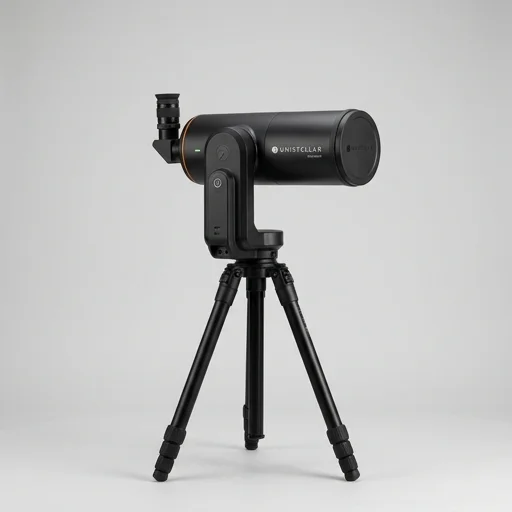
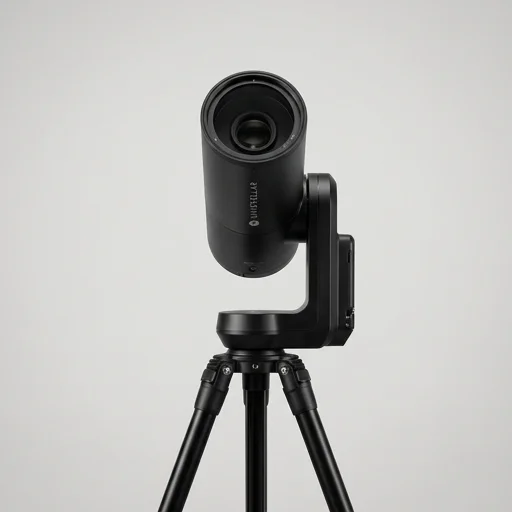
Unistellar Evscope 2
- Enhanced deep-sky viewing
- Automated smart tracking
- Citizen science ready
Read review
 Nebula Porch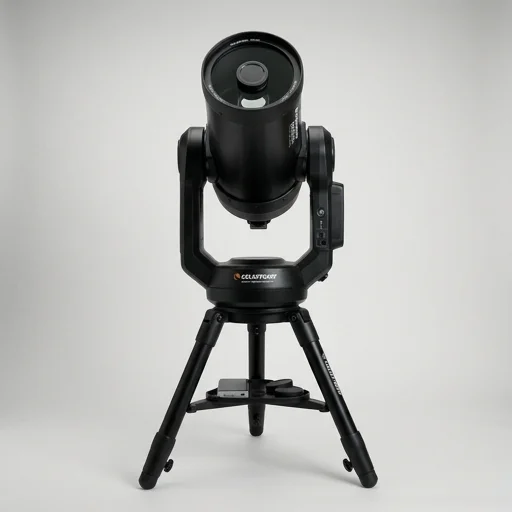
Celestron
★★★★★ 4.6/5
The Celestron Origin Home Observatory reinvents backyard astronomy by combining a fast RASA optical system with smart automation and live image stacking, letting users capture stunning deep-sky images within minutes of setup.
As an Amazon Associate we earn from qualifying purchases. Price and availability are checked at the retailer.
Verdict
The Celestron Origin Home Observatory reinvents backyard astronomy by combining a fast RASA optical system with smart automation and live image stacking, letting users capture stunning deep-sky images within minutes of setup. While its price and imaging-only design mean it's not for everyone, it's a groundbreaking choice for tech-savvy astronomy enthusiasts and families wanting instant, shareable views of the cosmos without the traditional learning curve.
Full review
The Celestron Origin Intelligent Home Observatory represents a genuine leap forward in consumer astronomy, blending a fast Rowe-Ackermann Schmidt Astrograph optical design with onboard computing power to deliver deep-sky imaging that once required years of experience and thousands of dollars in separate equipment. At its core sits a 6-inch aperture f/2.2 optical tube, remarkably fast for its class, paired with a sensitive color camera, precision autofocus, and a built-in filter for capturing faint nebulae, galaxies, and star clusters even from light-polluted backyards. Rather than requiring users to peer through an eyepiece, Origin captures and stacks exposures in real time, building up increasingly detailed images of celestial objects that appear directly on a connected smartphone or tablet through the Celestron app.
What sets Origin apart from traditional telescopes and even other smart telescopes on the market is its combination of automation and image quality. Once placed outside and powered on, the unit self-aligns using plate-solving technology, identifies its position by referencing the night sky, and begins locating requested targets without the star-hopping or manual polar alignment that intimidates newcomers to the hobby. Its onboard computer performs live image calibration, dark frame subtraction, and stacking algorithms that reduce noise and enhance faint details, meaning a nebula or galaxy that would take hours of post-processing on a conventional astrophotography rig instead resolves into a shareable image within minutes. Multiple users can even connect simultaneously via the app, each viewing the same live feed from their own device, making it a genuinely social observing experience for families or small groups.
Designed for people who want the rewards of astrophotography without the traditional learning curve, Origin arrives essentially ready to use, requiring only a tripod setup and a Wi-Fi connection to begin observing sessions. The device supports observation logs, target suggestions based on current sky conditions, and a growing image gallery that lets users track their progress from bright planets and the moon to fainter deep-sky wonders like the Orion Nebula or the Andromeda Galaxy. By removing the technical barriers of manual tracking, focusing, and image processing, Celestron has positioned Origin as a home observatory in the truest sense, one that invites both newcomers and seasoned stargazers to explore the universe with a level of clarity and convenience previously reserved for dedicated observatories and experienced astrophotographers.
The trade-off
6 strengths · 5 compromises
Nearby
Closest matches in Smart telescopes by aperture and score.
4.6Smart Telescope
 4.5
4.5Smart Telescope
 4.5
4.5Smart Telescope
 4.3
4.3Smart Telescope