 4.7
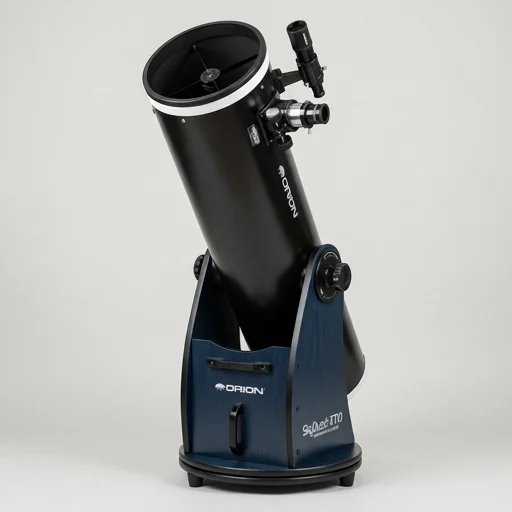
4.7Dobsonian Telescope
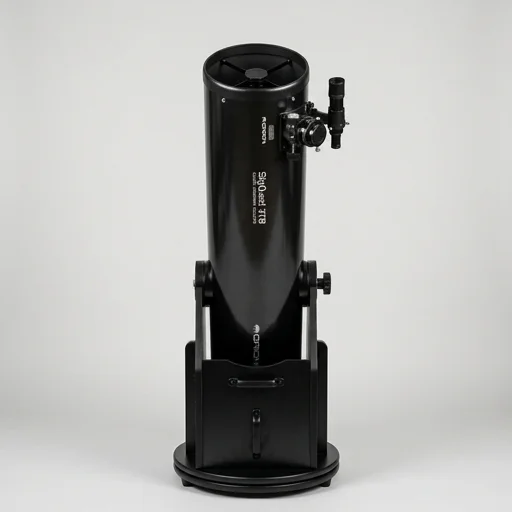
Orion SkyQuest XT10 Dobsonian Telescope
- Large 10-inch aperture
- Great value optics
- Beginner-friendly setup
Read review
 Nebula Porch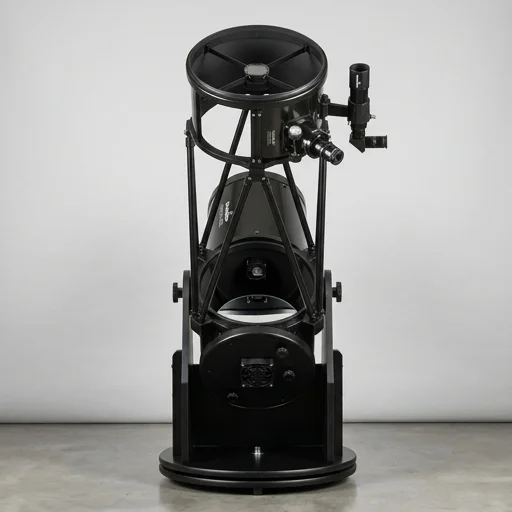
Sky-Watcher
★★★★★ 4.6/5
The Sky-Watcher Skyliner 250PX offers outstanding value for amateur astronomers wanting serious aperture without breaking the bank.
As an Amazon Associate we earn from qualifying purchases. Price and availability are checked at the retailer.
Verdict
The Sky-Watcher Skyliner 250PX offers outstanding value for amateur astronomers wanting serious aperture without breaking the bank. Its 250mm parabolic mirror pulls in ample light for detailed lunar, planetary, and deep-sky viewing, while the classic Dobsonian mount keeps operation refreshingly simple. It does demand space and some manual handling, but for visual astronomy enthusiasts prioritizing image brightness and clarity over portability, it's a fantastic long-term investment.
Full review
The Sky-Watcher Skyliner 250PX is a large-aperture Dobsonian reflector telescope designed for amateur astronomers who want serious deep-sky performance without the complexity of computerized mounts. Featuring a 250mm (10-inch) parabolic primary mirror with a focal length of 1200mm, this telescope gathers enough light to reveal faint galaxies, nebulae, and star clusters with a clarity that smaller instruments simply cannot match. The optical tube is built with a solid, well-engineered structure that includes a dual-speed Crayford focuser, allowing for precise adjustments when hunting for that perfect focus point on planets, double stars, or extended deep-sky objects. Its fast f/4.8 focal ratio makes it well suited for wide-field views, giving observers sweeping vistas of star fields and larger nebulae in addition to sharper, higher-power looks at brighter targets like the Moon and planets.
Sitting atop a traditional Dobsonian base, the Skyliner 250PX is prized for its simplicity and stability. The altazimuth mount moves smoothly on Teflon bearings, allowing users to nudge the tube by hand to track objects as they drift across the sky, without the need for batteries, cables, or software. This manual design keeps the telescope intuitive to operate right out of the box, making it a popular choice among both newcomers stepping up from smaller scopes and experienced observers who appreciate a no-fuss, big-aperture instrument for visual astronomy. The base is constructed from sturdy particle board with a durable laminate finish, offering a solid platform that resists wobble even at higher magnifications, while the tube itself is designed to be lightweight relative to its aperture, making transport and setup more manageable despite its considerable light-gathering power.
Beyond its optical and mechanical qualities, the Skyliner 250PX is often chosen by hobbyists who want to explore the deep sky from suburban or rural locations where light pollution is manageable. The generous aperture excels at resolving fine detail in globular clusters, teasing out spiral structure in brighter galaxies, and revealing subtle contrast in planetary nebulae, all of which are frequently underwhelming in smaller telescopes. Its included accessories, such as a finder scope and a couple of eyepieces, provide a usable starting point, though many owners expand their kit over time with additional eyepieces, filters, or a collimation tool to keep the mirrors precisely aligned. As a visual instrument rather than an astrophotography platform, the Skyliner 250PX shines brightest as a tool for direct eyepiece observation, rewarding patient stargazers with detailed, high-contrast views of the universe from a design that emphasizes simplicity, durability, and raw optical performance.
The trade-off
5 strengths · 5 compromises
Nearby
Closest matches in Telescopes by aperture and score.
4.7Dobsonian Telescope
 4.4
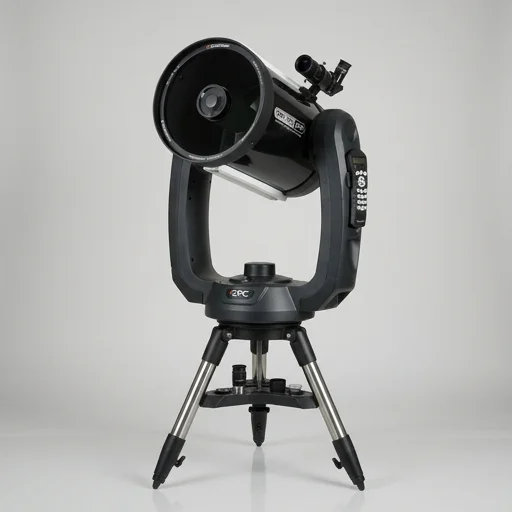
4.4Telescope
 4.5
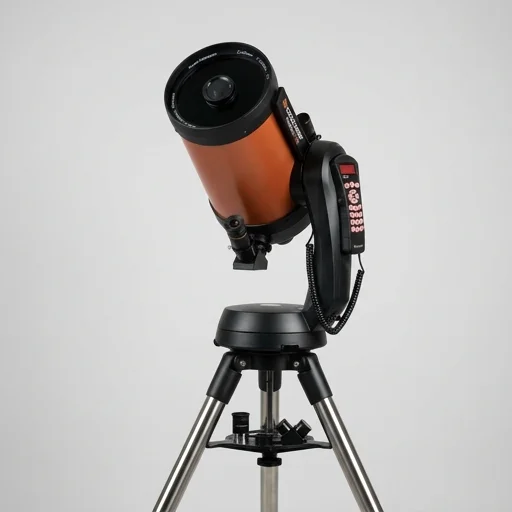
4.5Telescope
 4.6
4.6Dobsonian Telescope